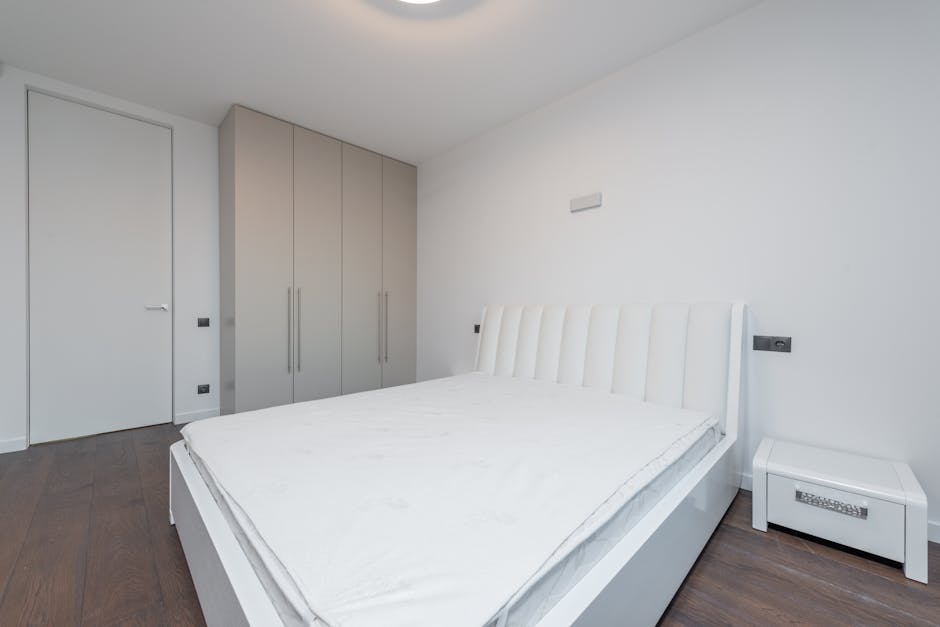
North Finchley mattress cleaning after water damage: what to do, what to avoid, and how to save the mattress
Water damage to a mattress is one of those annoying household problems that can go from "a bit damp" to "this needs sorting properly" very quickly. In North Finchley, where homes often juggle busy family life, older pipework, and the odd surprise leak, mattress cleaning after water damage is not something to leave sitting overnight if you can help it. The sooner you act, the better the chance of reducing staining, odour, mould risk, and permanent damage.
This guide walks you through the practical side of North Finchley mattress cleaning after water damage: how professionals approach it, what you can safely do yourself, when a mattress is probably beyond saving, and how to avoid the classic mistakes that make things worse. If you need related support elsewhere in the home, you may also find our pages on deep cleaning and domestic cleaning useful for tackling the wider aftermath.
Table of Contents
- Why mattress cleaning after water damage matters
- How the cleaning process works
- Key benefits and practical advantages
- Who this is for and when it makes sense
- Step-by-step guidance
- Expert tips for better results
- Common mistakes to avoid
- Tools, resources and recommendations
- Law, compliance, standards and best practice
- Options, methods and comparison
- Case study or real-world example
- Practical checklist
- Conclusion
- Frequently asked questions
Why North Finchley mattress cleaning after water damage Matters
A wet mattress is not just a comfort issue. It can become a hygiene issue, a smell issue, and sometimes a structural issue too. Mattresses are thick, layered items, so water can settle deep inside foam, fibres, and stitching. On the surface it may look fine after a few hours, but under the fabric, moisture can linger. That is where trouble starts.
Left untreated, water damage can lead to:
- musty or sour odours that are hard to shift
- water marks and tide lines
- mould and mildew growth in hidden layers
- weakened materials and clumping in padding
- skin irritation or discomfort for sensitive sleepers
To be fair, not every wet mattress is doomed. A small spill cleaned quickly is very different from a mattress soaked through by a leak or flood. But the key word is quickly. The first few hours matter more than people think. If you catch it early, you may be able to dry and sanitise it successfully. If you leave it until the next day, the job gets harder. Much harder.
There is also the practical reality of daily life. You still need somewhere to sleep. If the mattress is for a main bedroom, there is pressure to get it sorted the same day, and that pressure can lead people into rushed decisions. That is exactly when over-wetting, scrubbing too hard, or using the wrong product tends to happen.
How North Finchley mattress cleaning after water damage Works
Professional mattress cleaning after water damage normally starts with inspection rather than cleaning straight away. A technician will assess how wet the mattress is, what caused the damage, what the mattress is made of, and whether the padding or springs may have been affected. That first judgement is important, because the best method depends on the type of moisture involved.
For example, clean tap water from a burst hose is a very different situation from water that came from a spill mixed with dirt, soap, or anything contaminated. In simple terms, the cleaner the water and the faster the response, the better the outlook.
A sensible process usually includes some combination of the following:
- Moisture assessment - checking how far the water has travelled into the mattress.
- Extraction or blotting - removing as much moisture as possible without pushing it deeper.
- Targeted stain treatment - working on discolouration and residue with suitable products.
- Deodorising and sanitising - reducing odours and helping the mattress feel fresh again.
- Controlled drying - using airflow and time, not just hoping for the best.
That last part is where many DIY attempts fall apart. A mattress may feel dry on top while still damp inside. You can notice this if you press firmly and the surface feels cool, or if there is still a faint damp smell a few hours later. It is a bit like putting a towel over a puddle and calling it done. Looks tidy. Not actually tidy.
In a professional setting, the aim is usually to clean without saturating the mattress further. Heavy soaking is a bad idea because it can spread the problem and make drying time much longer. Gentle, controlled treatment is usually the smarter route.
Key Benefits and Practical Advantages
There are a few clear reasons people choose professional help instead of trying to rescue a mattress alone. Some are obvious. Some are not.
- Better chance of saving the mattress - early and careful cleaning can help preserve usable bedding.
- Reduced odour - damp smells are often what make a mattress feel unusable even when the surface looks okay.
- Improved hygiene - cleaning helps reduce residue, bacteria build-up, and mildew risk.
- Less guesswork - you do not have to experiment with random products from the cupboard.
- More practical drying advice - knowing when a mattress is actually dry is half the battle.
There is also a cost angle. Replacing a mattress can be expensive, and not always immediately necessary. If the damage is minor, cleaning may buy you much more time. On the other hand, if the mattress is deeply contaminated or water has reached the internal structure, a professional assessment can stop you wasting effort on something that is genuinely not worth rescuing.
And let's face it, a clean, dry mattress just feels different. There is a calmer smell in the room, the bedding sits better, and you are not lying there wondering what is happening inside the foam. That peace of mind counts.
Who This Is For and When It Makes Sense
This service is useful for a wide range of North Finchley households and property situations. It is not just for dramatic flood events. In fact, a surprising number of mattress water damage jobs come from everyday life: a leaking radiator, a spilled drink that soaked through the protector, a child's accident, or condensation from a windowsill area that slowly crept into bedding.
You may need mattress cleaning after water damage if:
- your mattress has been exposed to a leak or overflow
- there is a damp patch that has not dried properly
- the mattress smells musty after a spill
- you can see water marks, staining, or yellowing
- the bed has been affected during a wider home clean-up
- you are preparing a rental property for the next occupant
For tenants and landlords, timing matters even more. A mattress that is left damp in a rental property can become a bigger issue very quickly. If you are dealing with a broader move-out clean, our end of tenancy cleaning page is a helpful place to understand how these jobs are often handled as part of a fuller property handover.
If you live in a flat or maisonette, access and ventilation can be awkward. That is normal. Not ideal, but normal. A mattress on a bed frame tucked into a small room may dry much more slowly than one that can be stood upright in open air. So the room layout matters as much as the mattress itself.
Step-by-Step Guidance
If the mattress has been damaged by water, the goal is to act calmly and methodically. No heroic scrubbing. No frantic hairdryer marathon. Just a sensible sequence.
- Remove all bedding immediately. Sheets, protectors, duvets, and pillows should be taken off so moisture does not spread.
- Blot, do not rub. Use clean towels to absorb surface water. Rubbing can push moisture deeper and spread staining.
- Check the source of the water. If the water came from a leak, make sure the leak has stopped before doing anything else.
- Stand the mattress upright if safe. This can help airflow through the interior, but only if it will not damage the springs or frame.
- Increase ventilation. Open windows where possible and use fans to move air around the room.
- Use suitable cleaning only. A mild, appropriate solution may help with surface residue, but test carefully and never flood the fabric.
- Allow full drying time. This can take far longer than expected. The surface might feel dry before the core is actually ready.
- Inspect for odour and staining. If there is still a damp smell or dark patch, more work is needed before use.
If the mattress is visibly soaked through, that is often the point where professional treatment becomes the more sensible option. The less you disturb it, the better. A panicked DIY rescue can turn a manageable issue into a long-term smell problem, and no one wants that at 11pm on a Tuesday.
For homes where the leak also affected flooring or skirting, a broader clean may be needed. In those situations, our carpet cleaning and upholstery cleaning pages are relevant because water damage rarely stops neatly at the mattress.
Expert Tips for Better Results
Small details make a big difference with mattress restoration. In our experience, the jobs that go best are the ones where the drying and cleaning plan is sensible from the beginning. Here are a few practical tips that genuinely help.
- Act on the same day if possible. Fresh moisture is much easier to manage than set-in dampness.
- Use airflow before stronger products. Drying is often the real fix, not a heavier cleaner.
- Keep the room warm, but not excessively hot. Steady warmth supports drying; extreme heat can damage materials.
- Check the mattress base too. Sometimes the real problem is trapped moisture in the bed frame or slats.
- Protect the mattress once dry. A quality protector can save you a lot of trouble later.
A useful rule of thumb: if the mattress still feels cool in the centre, it probably still contains moisture. That is one of those quiet clues people ignore until the smell comes back two days later. Sneaky, but common.
Another tip: if the spill involved coloured liquid, food, or anything oily, the stain may need a separate approach from the moisture problem. Cleaning the mark and drying the mattress are related, but they are not the same job. That distinction matters.
Common Mistakes to Avoid
Most mattress damage gets worse because of a well-meant mistake, not because people do nothing. The intentions are fine. The method, sometimes not so much.
- Using too much water - this is the big one. More liquid means more drying time and a higher mould risk.
- Scrubbing aggressively - friction can spread staining and damage the fabric finish.
- Skipping drying - a mattress should not be reused while damp inside, even if the top feels okay.
- Using strong bleach-based products - these can discolour or weaken materials.
- Covering it too soon - putting clean bedding on a mattress that is not fully dry just traps moisture.
- Assuming all odours will disappear on their own - they often do not.
One more thing that catches people out: if you try to mask the smell with fragrance sprays, you may just end up with damp-plus-perfume. That is not a solution, just a temporary disguise. A bit like airing a room by opening the door for thirty seconds and hoping for the best.
If you are unsure whether the mattress is safe to keep, treat that uncertainty seriously. A lingering smell, a spongy feel, or visible mould spots are all signs to stop guessing and get the problem assessed properly.
Tools, Resources and Recommendations
You do not need a warehouse full of kit to handle the first response, but the right tools help a lot. If you are dealing with a small incident, these items are usually the most useful:
- clean absorbent towels or cloths
- a fan or two for air movement
- good ventilation, if the weather allows it
- a mild, fabric-safe cleaning solution
- gloves for hygiene and comfort
- a mattress protector for future prevention
For larger or more complex cases, a professional cleaner may use specialist extraction and drying equipment, along with products that are selected for the fabric type. That sort of matching matters, because foam, memory foam, pocket-sprung, and hybrid mattresses do not all behave the same way when wet.
If the water damage happened as part of a wider home incident, you may also want to look at our one-off cleaning service for a broader reset of the room. Sometimes the mattress is only one piece of the puzzle.
And if the issue came from something less ordinary, like renovation dust mixed with moisture, our after builders cleaning page may be relevant too. Water and building dust together can make a surprisingly stubborn mess.
Law, Compliance, Standards and Best Practice
Mattress cleaning after water damage is not usually a regulated legal process in the way that some trades are, but there are still sensible standards and duties to think about. In the UK, the main concern is safe handling, proper hygiene, and avoiding preventable contamination in the home.
For landlords, letting agents, and property managers, the practical expectation is usually that soft furnishings are left in a safe, clean, and usable state between occupancies, subject to fair wear and the actual condition of the item. For tenants, it is sensible to report water damage promptly rather than letting the problem escalate. That keeps communication clearer and, frankly, saves headaches for everyone.
From a best-practice point of view, the key points are simple:
- do not use a mattress that is still damp internally
- avoid spreading contaminated water deeper into the material
- use appropriate products for the fabric and filling
- prioritise hygiene if the water source was dirty or questionable
- replace the mattress if there are signs of persistent mould, structural damage, or contamination that cannot be responsibly cleaned
There is also a safety side to this. Wet mattresses are heavy, awkward, and can be physically difficult to move. If lifting creates a risk of strain or if water has affected sockets, flooring, or nearby furniture, that becomes a wider household safety issue. In those situations, a careful approach is better than a rushed one.
Our insurance and safety information is useful if you want a better sense of how a professional service handles risk and care in the home.
Options, Methods and Comparison Table
There are usually three sensible routes after mattress water damage: light DIY intervention, professional cleaning, or replacement. Which one makes sense depends on the extent of the damage and how quickly you caught it.
| Option | Best for | Pros | Limitations |
|---|---|---|---|
| Light DIY drying and blotting | Small, fresh spills | Fast, low-cost, good for first response | Limited effect on deep moisture and odour |
| Professional mattress cleaning | Moderate water damage, lingering smell, visible staining | More thorough cleaning, better sanitising, controlled drying | May not be suitable for severe contamination or deep saturation |
| Replacement | Severe mould, contamination, warped or collapsed structure | Clean slate, no lingering hidden damage | Higher upfront cost |
The honest answer? A mattress is worth cleaning if the water damage is limited, the smell is manageable, and the structure is still sound. If the filling has broken down or you can see mould growth, replacement may be the safer choice. Not ideal, but better than sleeping on a problem.
If you are also sorting the rest of the room, our cleaning company page gives a broader sense of the services available when a whole-home reset is needed.
Case Study or Real-World Example
Here is a realistic example from the kind of job that comes up quite often. A North Finchley household notices a damp patch on a guest mattress after a small leak near a radiator pipe. The mattress is not drenched, but one side has clearly absorbed moisture overnight. There is no visible mould, just a stale, slightly sour smell and a water mark near the seam.
The sensible response is straightforward: the bedding comes off, the room is ventilated, the mattress is blotted and inspected, and a proper drying plan is put in place. In a case like this, the mattress may well be salvageable if the moisture has not reached the deepest layers. A professional clean can then help with odour, residue, and finish.
Now compare that with a mattress left standing in the same room for two days after a larger leak. The smell becomes more obvious, the foam feels heavy and uneven, and there may be dark spotting around the base edge. That shifts the situation. Cleaning may still help, but the odds of a full recovery drop. This is why early action is such a big deal.
It sounds obvious when you say it out loud. In the moment, though, people are busy, tired, and trying to solve five things at once. Happens all the time.
Practical Checklist
Use this quick checklist if you are dealing with a wet mattress in North Finchley:
- remove bedding straight away
- identify and stop the water source if possible
- blot surface moisture with clean towels
- avoid scrubbing or soaking the mattress
- increase ventilation and airflow
- check both sides and the base for hidden dampness
- watch for smell, staining, and soft or clumped areas
- do not remake the bed until the mattress is fully dry
- consider professional help if the damage is more than minor
- replace the mattress if mould, contamination, or structure damage is present
Practical takeaway: if a mattress has only a small, fresh water issue, quick drying and sensible cleaning may be enough. If the mattress still smells damp after drying, that is your warning sign. Don't ignore it.
Get a free quote today and see how much you can save.
Conclusion
North Finchley mattress cleaning after water damage is one of those jobs where speed, judgement, and restraint matter more than drama. The right response is usually simple: remove moisture quickly, keep air moving, clean carefully, and only use the mattress again when it is truly dry and fresh through the middle, not just on the surface.
Some mattresses can be saved. Some should be replaced. The difference comes down to how much water got in, what caused it, and how fast you responded. If you are unsure, that is completely fair - this is one of those situations where a sensible assessment is worth more than guesswork.
Handled well, the room can feel normal again much sooner than you expect. And honestly, that quiet relief when the bed is finally dry and usable again? Very nice indeed.
Frequently Asked Questions
Can a mattress be cleaned after water damage?
Yes, often it can, especially if the water damage is fresh and limited. The outcome depends on how deeply the water penetrated, what caused the leak, and whether mould or structural damage has started.
How long does a wet mattress take to dry?
It depends on the size of the wet area, mattress thickness, room ventilation, and airflow. A surface spill may dry relatively quickly, but deep moisture can take much longer. Always check the core, not just the top.
Is it safe to sleep on a mattress after water damage?
Only once it is fully dry and has no lingering damp smell or hidden moisture. If there is any sign of internal dampness, mould, or a stale odour, it is better not to use it yet.
What causes the bad smell after a mattress gets wet?
The smell usually comes from trapped moisture, residue, and the start of mildew or bacterial growth inside the layers. Even if the surface looks fine, the core can still be holding onto moisture.
Can I use a hairdryer on a wet mattress?
You can use gentle airflow, but concentrated heat is not ideal. A hairdryer may damage fabric or create uneven drying. A fan and good ventilation are usually safer and more effective.
Does steam cleaning work on water-damaged mattresses?
Not always. Steam adds more moisture, which can be a problem if the mattress is already damp inside. A professional will usually assess whether steam is appropriate or whether a drier method is better.
When should I replace a mattress instead of cleaning it?
If there is visible mould, strong persistent odour, contamination from dirty water, or the structure has collapsed or warped, replacement is often the safer option. Deep damage can be difficult to reverse properly.
Can water damage spread to the bed frame too?
Yes, it can. Bed bases, slats, and nearby flooring may also hold moisture. That is why it is sensible to inspect the whole sleeping area, not just the mattress itself.
How can I prevent this happening again?
A good mattress protector, prompt leak repairs, and regular checks around radiators, windows, and pipework all help. In homes where condensation is common, keeping airflow steady can also make a difference.
Is professional mattress cleaning worth it after a leak?
Often, yes. If the mattress is otherwise in good condition, professional cleaning may help restore comfort, reduce odour, and extend its usable life. It is especially useful when you want a proper assessment rather than a guess.
What if the water was dirty or contaminated?
That changes the situation significantly. Contaminated water is a hygiene risk, and the mattress may need more cautious handling or even replacement. It is best not to take chances with anything that has absorbed questionable water.
Who should I speak to about a mattress that was damaged during a leak?
If you rent, speak to the landlord or managing agent promptly. If it is your own property, arrange an assessment as soon as possible so you can decide whether cleaning or replacement is the most sensible next step.